The Warrior and the Sword

I took part in a Reddit writing prompt (r/writingprompts) recently, it’s a subreddit which has always interested me, but being on the other side of the pond to most of reddit’s user-base means I’m usually far too late to any posts for commenting to be worthwhile. But I saw one which was only a few hours old recently which captured me enough to write something. It still didn’t get much traction, but with this blog now I have somewhere else to put them so I might give a few more a go.

I’ve wanted to do some creative writing pieces on here for a while, but I haven’t had much reason to (especially as most jobs I’m looking into are more non-fiction orientated). Perhaps if I find some more prompts which inspire me, or if I find I’ve got more free time in these self-isolating times, I’ll post some more creative pieces.

This piece is set in the middle of a story, though unless this receives a lot of interest I don’t intend to write any more of it any time soon. It exists in a world I could be interested in writing down some day, but I need a lot more planning before I tackle that!

Anyway, here’s The Warrior and the Sword:

Finally! A way out!

The words appeared in the warrior’s head and his hand hesitated a few inches above the hilt of the sword. Had the sword just spoken to him?

A sigh echoed through his mind, foolish to get excited so soon. The words disappearing as quickly as they formed. The warrior frowned down upon the sword, his hand still hovering inches from the handle. Was this really the ancient relic he had been searching for? Or some cursed decoy left by someone who had found it before him?

He remembered the difficulty he had faced in getting here, not only in finding information on where and how the relic was stored, but also the traps and monsters he had fought to reach the depths of this tomb. The dust behind him revealed only a single set of footprints, his own; and many traps fell apart as if they had not been attended to in centuries, let alone reset. No, he had to be the first one here.

He plunged his hand downward and firmly grasped the sword’s hilt, lifting it from its coffin-like container. He braced for traps to spring or some curse to take hold, but nothing did.

After contenting himself he was safe for a moment, he took a few test swings and was surprised at how well-weighted it was. Swishing the sword as easily as if it were weightless, yet fully appreciating the force behind each swing. He then turned it over in his hands admiring the craftsmanship and the strong yet simple design, impressed at how clean it was in spite of its supposed age.

And as he opened his hand to admire the hilt… the sword began trickling into dust. Starting at the hilt and moving upwards towards the blade. The warrior looked on in despair as the sword he had worked so hard to find disappeared in front of his eyes, leaving him with nothing but a handful of ash as finally the tip of the blade disintegrated.

He stood in the ashes of silence for a moment, wondering what cruel trick fate had played on him this time, when he heard the grinding of stone against stone coming from behind him. Turning around he saw several sarcophagi slowly opening and decayed hands reaching through the gaps being created.

He instinctively reached for his sword, forgetting his scabbard lay empty after his own sword was shattered some weeks back. As he remembered this, he saw that he had drawn… the ancient sword; the sword not moments ago he had seen turn to dust in the hand which now held it.

Ah, our goals are the same after all!  The sword spoke in his mind, no longer trying to hide its sentience. But first things first…

The warrior heard a loud THUNK behind him,followed by an increasing rumble.

… Run.

Original prompt: https://www.reddit.com/r/WritingPrompts/comments/flmqdo/wp_in_the_beginning_mother_earth_and_father_time/

Sonic the Hedgehog

Exactly one day after watching Parasite I was in the cinema again, only this time to see Sonic the Hedgehog, and boy, what a contrast that was. Going from the Oscar-winning South Korean dramatic thriller that was Parasite to, well… Sonic the Hedgehog, was perhaps the wrong way around to see those films but it was how my schedule worked out.

Sonic the Hedgehog is based on the video game character of the same name who first appeared in a game of the same title in 1991. The Blue Blur has appeared in at least 30 video games since and is still being released in video games today. The film, whilst clearly pandering to the video game enthusiasts, still tries to be accessible to newcomers by not assuming any prior knowledge. Whilst the film quickly breezes through an origin story, and claims he just “has powers”, it still gives you a run-down of pretty much everything you need to know. Sonic is a blue talking hedgehog, not from this world, who can run really fast.

The events of the film really kick-off when Sonic discovers the meaning of loneliness and proceeds to cause some sort of electrical wave (which is never fully explained other than being “too powerful to be an EMP”) which causes a large power outage and causes the US governments to get involved. Or rather, we get a brief scene where a handful of government officials (who are for some reason deeply invested in the power outage of a small town) list various options into investigating what exactly caused the outage before stating “we have no choice!” and call in the “crazy” Dr. Robotnik. The most baffling part of these scenes to me is the choice to play the US government as the comic relief for the opening act. Nonetheless, this gives Jim Carey (as Dr. Robotnik) a reason to do whatever the hell he wants, apparently.

The acting in this film is fine. It’s nothing outstanding, sometimes it’s a bit much, sometimes it’s not enough; overall, it’s fine. Jim Carey goes absolutely wild in a couple of scenes, which I believe are supposed to be funny, but mostly come across as awkward and crass – as if there was meant to be subtitles on the screen stating “LAUGH NOW”. The humour in this film is kind of backwards, the big “funny” moments are blunt and unnecessary (probably aimed at children to be fair) and the small subtle jokes are, to be honest, quite well written. This is probably the schism that comes with writing family-friendly films, you need jokes for all ages; so I’m not going to devalue the film too much for this, it was just an observation I had in the way the humour was delivered.

One of the other bizarre choices I noticed was the amount of times Sonic had a “sad-eyes close-up”. Though most writers know you can’t expect an audience to like the protagonist just because they’re the protagonist, a couple of nicely contained scenes had drastic tone shifts as sad music kicked in with a close up of Sonic’s eyes as he said something along the lines of “I’ve never had a real friend”. Which makes the possibility of a Sonic Cinematic Universe (SCU) confusing, as I don’t know why any of his typical companions in the games (Tails, Knuckles, etc.) would come to Earth to find him if he’s never had any friends before James Marsden. I’ve also just found out James Marsden is 46 years old, making him a bit of a weird choice for the “young and relatable” counterpart to Sonic. Jim Carey’s only 58, and what a different film that would’ve been! (Are Warner Bros hearing pitches for Ace Ventura 3?)

The plot of Sonic the Hedgehog is far from airtight, a lot of strange decisions are made on pretty much every character’s part, though I do understand the need to justify the end result of “man chooses to help giant blue hedgehog over other humans”, so I can mostly forgive this. Though there were approximately 3 times in the film they played the “Oh no! Sonic is dead!” card, and *sarcastic spoilers* he never was. By the third time it does leave you thinking “this again? Really?” which is also how I felt about the several “sad-eyes close-ups” I mentioned earlier.

Despite these criticisms, the film is still quite fun, and being relatively short by modern standards (1 hour 40 mins) it doesn’t overstay it’s welcome. The film isn’t rushed, but it also feels like it ends at the right time. I left the cinema feeling like I’d seen what I wanted, a blue spikey boy to go fast and beat the bad guy, and I hadn’t been in there so long as to start questioning my life choices.

Oh, the film also has this hilarious moment where Dr. Robotnik finds out one of Sonic’s quills has “Unlimited” energy. Which suggests Sonic as a creature has “Unlimited” x [a lot of quills] energy; and I’m no physics expert, but I think that means he has infinite mass.

Realistically, I’d only recommend this film to people who are a fan of the Sonic franchise and looking for a light-hearted, low-stakes time where they aren’t expecting a masterpiece of cinema. There are a few references to various Sonic games and lore, (I probably missed quite a few too) which was a nice touch once I’d tempered my expectations appropriately.

  • Cinematography – 6/10
  • Plot – 6/10
  • Acting – 6/10
  • Script – 4/10
  • Enjoyment* – 7/10

OVERALL – 5.8/10

*Enjoyment is a personal measure of how much I enjoyed the film, more of a “gut feeling” than the empirical approach I try to take with the other ratings.

End note:

Original design of Sonic from the April 2019 trailer.

I totally forgot about the redesign fiasco! For those who aren’t aware, in the original trailer released for this film Sonic looked horrible (see right). It created such a backlash from the community that Paramount released a statement that they were redesigning Sonic and reanimating a lot of scenes. The film’s release date was pushed back 3 months due to this. This original trailer came out in late April 2019 for a November release date, and following backlash the announcement came in early May that the redesign was taking place and pushing the film back to a February 2020 release date.

The incredibly fast response time to the backlash and length of time in advance the trailer was released makes me wonder if the entire redesign fiasco was entirely fabricated to generate more interest in the film. The redesign was so well received and the old design clearly so far from anything Sonic had been previously, both of which add credence to this theory. I also thought that animation was one of the longer parts of a films production time, perhaps it was mostly art asset swapping at that point and an additional 3 months was enough to achieve this, but it does seem like a relatively short time if a lot of animation had to be redone.

I’m sure I’m being too cynical, but I’m fairly certain the film only came to a lot of people’s attention once the awful original design was released.

Dates from: https://en.wikipedia.org/wiki/Sonic_the_Hedgehog_(film)

Redesign tweet: https://twitter.com/fowltown/status/1124056098925944832

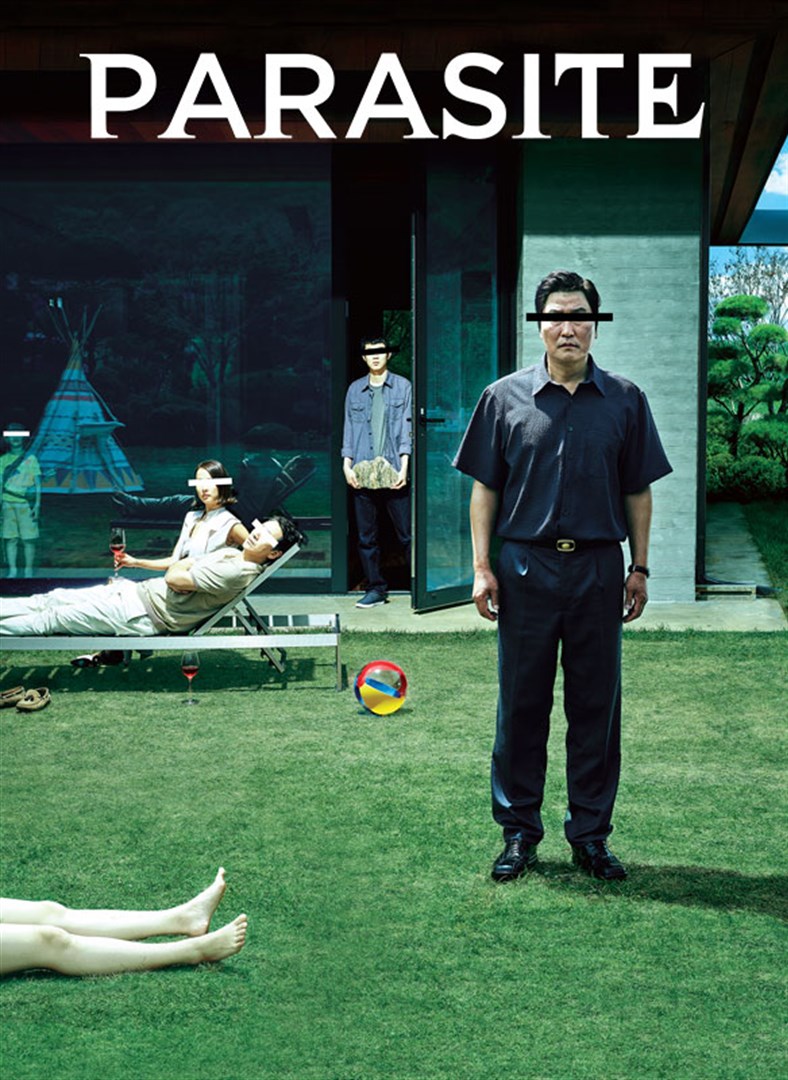
Parasite

Parasite is the first non-English language film to win the Best Picture award at the Oscars in the history of the award. That was the driving factor behind me seeing this film in the cinema, and I expect I’m far from alone in that fact.

So straight to the crux of the matter: Does it deserve the Oscar?

Short answer: Yes.

Medium answer: I haven’t seen most of the films it was competing against, but it certainly felt like an Oscar-worthy film.

Long answer: …

Parasite is a human driven story centred around a family struggling to survive doing jobs which appear to be below their capabilities. When the son of the family gets handed a well-paid job as a private tutor for a rich family, he quickly spots opportunities to hire the rest of his family as workers for the same rich family. Parasite takes it’s time to establish both families and comfortably move the audience through the relationships both between the families and internally. Despite a good half of the film effectively being “setup”, it still feels well-paced and does a great job keeping the audience engaged; the story undergoes several minor twists before delivering the major twist which drives the second half of the film. Though the timing of the major twist is somewhat expected it’s still delivered in a way which leaves you guessing exactly what it will be, and successfully heightens the stakes the characters are experiencing without losing the human driven aspect which has kept the audience emotionally invested in the plot.

The plot, while extreme, is incredibly believable and is only cemented by the excellent acting on display. Despite the language barrier, the full emotional range of the characters is still fully realised by the actors (and thus the audience). Even the subdued moments still express the conflicting emotional interests of the characters in a very clear way, all credit to the actors and actresses. On the language barrier, I had to see the film with subtitles on, and whilst it took about half an hour for me to get used to reading a film, I soon stopped noticing that I was reading and watching simultaneously. It wasn’t until I left the theatre that I realised I hadn’t noticed this switch in how easily I was watching the film. I did notice (perhaps in retrospect) that lengthy dialogue pieces were taking longer to be spoken in Korean than it took to read the English translation, which give me plenty of time to read the context and still take in the visuals. I don’t know if this was a clever decision by the director or a work of genius by the translators, but either way it massively improves the accessibility of the film and has heightened my appreciation of it. Plus, as far as I can tell, nothing significant was lost in translation and the dialogue and plot still made perfect sense.

There is probably quite a lot of clever commentary on socio-economic issues, class identity, and perhaps political commentary too, but you can mostly ignore this and still thoroughly enjoy the film. You do have to buy into this commentary a little bit to understand the position of the characters and the rational behind some of their decisions, but you don’t need to understand all the underlying meanings of Parasite to still fully appreciate it as a film. As someone who prefers straightforward escapism films and tries to steer clear of heavy societal commentary stuff, I still thoroughly enjoyed Parasite and felt I got the full benefit of understanding characters motivations without needing to read deeply into any message(s) behind the film.

A few things to touch on before I wrap up; I didn’t notice the cinematography a lot of the time, but I take this to be a good thing on the whole. There were a few well crafted shots/scenes which were worth noting, but mostly the film was framed in a way that you didn’t need to think about it too much. This also goes for audio queues, I can’t remember any significant uses of audio, but I also don’t remember losing focus due to the audio, so I have to assume it was appropriate and mostly a good thing that I didn’t notice it. I haven’t thought of any plot-holes yet, and have had a few foreshadowing hints in the script pointed out to me, and I love a bit of foreshadowing that I didn’t spot until after it has been realised (or after the film completely in at least one case here). The script felt really tight, all the characters were relatable in their own way and had little mannerisms in how they spoke (or at least how it was translated), and this also crept into their physical mannerisms and expressions; so again, hats off to the writers and actors.

In closing, I would absolutely recommend this film to anyone interested in cinema, or just about any aspect of it. I can’t think of any element of this film which was done averagely, let alone badly. Even if you’re just curious to see what an Oscar-worth film looks like, you could do far worse than Parasite. The only people I wouldn’t recommend this to are people who aren’t interested in any of the wider elements of cinema and just want to see the good guys beat the bad guys. That will be for my next review…

  • Cinematography – 8/10
  • Plot – 10/10
  • Acting – 9/10
  • Script – 10/10
  • Enjoyment* – 10/10

OVERALL – 9.4/10

*Enjoyment is a personal measure of how much I enjoyed the film, more of a “gut feeling” than the empirical approach I try to take with the other ratings.

Dota 2: Regional Leagues

Valve have recently announced that, after this year’s TI10, the Dota Pro Circuit (DPC) is making a change from the current Major / Minor tournament format to a Regional League / Major format, whereby these Regional Leagues help decide who gets invited to each Major. Furthermore, the year is being split up into 3 seasons, culminating as usual with The International (TI) at the end of the year.

For those of you who don’t know, TI is the daddy of all Dota tournaments, it holds the record for the largest prize pool in Esports history – not just the record, but in the top 5, TI holds all 5 spots! So TI5 (2015) has a larger prize pool than any other Esports event ever other than subsequent TI’s. This event isn’t just a big deal to Dota, this is a big deal to Esports and the world at large. So naturally, any change that affects how players get to TI is a big deal.

Largest Esports tournament prize pools as of February 2020

(Source: https://www.esportsearnings.com/tournaments)

So what is this Regional League thing?

Well, at a glance it looks like a slimmer version of how many sports operate, certainly similar to the football (soccer) and rugby systems here in the UK. 16 teams will be split across 2 divisions (8 teams in each) with each team playing every other team once over the course of a season for a total of 28 matches per division. Each season will last 6 weeks, with 3 seasons over the course of the year; this splits the year up into quarters as the final quarter is taken by TI.

Now multiply the teams and number of matches by 6, because Valve have announced the reason behind calling them Regional Leagues: every Region gets a League (with 2 divisions).

You may notice that Africa doesn’t feature on this Region list, and that’s simply because there have been very few attempts to create teams or organise tournaments in the Africa region, they are by far the smallest group within the community and have the quietest servers, so it’s simply a numbers game on Valve’s part.

The 6 regions are:

  • Europe
  • CIS
  • China
  • South East Asia
  • North America
  • South America

So how do these Leagues work?

There’s still a few specifics to be hashed out, but we can safely assume League standings will be done on a win/loss ratio (there’s no such thing as a draw in Dota), with top teams receiving more prize money, DPC points (used to calculate invites to TI), and invites to the end of season Major. Furthermore, the bottom two teams of the Upper Division swap with the top two teams of the Lower Division for the next season, and the bottom two teams of the Lower Division get replaced entirely (through an Open Qualifier, which isn’t important for this discussion). There is a question of how tiebreaks will be done, but my assumption would be to look at the matchup between the tied teams; since there’s no such things as a draw in Dota, you can see which team won when the tied teams played each other, and use that as a tiebreaker. This breaks down slightly when 3 or more teams are tied, but in similar position previously additional matches have been played when the head-to-head matchups don’t break the tie.

Around a month after the Leagues have concluded, the Major for that season takes place. These offer a significantly higher prize pool than the Leagues (though teams have to place fairly highly to make their earnings significantly higher) and more DPC points in total, though the distribution of those points is more even than in the League. The idea here seems to be to reward consistent play throughout the season/year in the Leagues with consistent prizes and invites to Majors, but encourage the best play at the Majors (and TI) with inflated prizes at the top end.

Right, and Majors…?

Majors have been part of the Dota Pro Circuit (DPC) for a number of years now, so this is a tried and tested format which generates excitement in the community and brings out some of the best play from the participating teams. I won’t go into too much detail as we can assume that the overall format of these isn’t going to change too much, but it is interesting that the higher you finish in the League for that season the further your starting position in the Major.

For a little context, most Majors start with a brief group stage (usually a small round robin) with the bottom teams getting eliminated, top teams advancing to an upper bracket, and middling teams advancing to a lower bracket.

For a little context, most Majors start with a brief group stage (usually a small round robin) with the bottom teams getting eliminated, top teams advancing to an upper bracket, and middling teams advancing to a lower bracket. This then proceeds in the normal tournament bracket style, except in Dota there is no advantage for upper bracket winners; they play fewer games and get more time to watch their opponents, so perhaps that’s advantage enough.

This is one of the least controversial things in Dota tournaments, as most players believe if they are truly the better team that advantage shouldn’t matter, that and playing fewer games and being less tired is probably enough of an advantage at that stage.

If you don’t know what upper bracket and lower bracket means, I’d suggest looking up a tournament format. It essentially means if you lose a match in the upper bracket you get knocked down to the lower bracket, and if you lose a match in the lower bracket you are eliminated from the tournament. It’s a traditional knockout setup with a safety net.

Why have Valve made this change?

A few reasons, the most public of which is to help garner the Tier 2 and Tier 3 scenes in Dota. At the moment, most Majors consist of the same teams playing almost every time, and usually the same few teams winning them too. While this might take a little while to bear fruit, the idea is that by providing a consistent space for many teams to play against each other and get paid for it (reasonably consistently), this should increase the budding teams exposure to high-skill play, bring the quality of matches up overall, and eventually create a more competitive environment within the Leagues with more consistent high-skill matchups.

Tier 2 and Tier 3 teams are essentially the B and C grade students of Dota 2 teams, they’re still good, but they struggle to compete with the A grade (Tier 1) teams.

At the moment the only way for Tier 2/3 teams to get exposure to this is to go through the daunting road of the Qualifiers – Minor – Major, and these don’t come around all that often. Having a minimum of 21 professional games a year may not sound like a lot, but it’s a heck of a lot more if you’re not one of the lucky few Tier 2/3 teams that doesn’t get eliminated very early in the current system.

The second major purpose of this is to provide a more consistent viewing experience. At the moment professional Dota comes in concentrated batches, this year there will be 5 Majors – which sounds like more, but given the Major and associated Minor take a week each, that’s only 10 weeks of professional Dota throughout the year. (12 weeks including TI, but that isn’t changing.) With the new format, the Leagues alone bring 18 weeks of professional Dota (3 seasons x 6 weeks) with the added benefit of having consistent timeslots, as scheduled by Valve, every week. Previous viewing really depended on what time zone the tournaments were being held in, and whilst Valve tried to spread the Majors around regions as best as it could, that still means around half of those 5 Majors are going to be in a really poor time zone for any individual. Whilst you could still catch a VOD later, as fans of any sport will tell you, it’s just not the same as watching it live. So providing a consistent schedule every week massively improves the viewing experience, you might not be able to catch every game, you won’t always be able to watch your favourite team, but you’ll almost always be able to watch some professional Dota, and you’ll know exactly when it will be available to watch live.

The final (and least talked about) significant aspect of this change, is that it’s intended to help the players. Players often talk about burnout in the Dota scene, having to bounce from tournament to tournament to maintain their income and practice, most tournaments being held as LAN tournaments involves a lot of travelling, particularly if you have to go to several back to back (for example, Minor / Major combinations). This is something Valve have tried to tackle with several iterations of the DPC: increasing their own involvement to spread out the DPC points; decreasing it again so there are fewer “essential” tournaments for teams trying to make it to TI; changing how they interact with third party tournaments; changing how invites to TI are calculated… etc. In the relatively short time the scene has been active, there have been a lot of changes.

LAN tournaments are held offline on location, i.e. every team/player being present at the venue, Online tournaments are held on an official server and players can join from essentially wherever (e.g. their homes or team practice venue).

Having a 6-week period in which you know you only have to play 1 or 2 games per week, and you can play them online rather than at the venue, on paper seems a lot less stressful for players. They still have to go to Majors but with a decent lead-up time to them, and knowing whether they’ll be attending about a month in advance, this should reduce the strain around Majors too. The biggest question comes from how they handle third party tournaments. At the moment all Valve have announced is the dates for the League Seasons and subsequent Majors and that no third party events should take place during those periods. That still opens a window for third party events – which is good from a community perspective, some third party tournaments have been the most fun events on the Dota calendar – but it also means there’s much less time to fit all these third party events in.

This could lead to increased player burnout depending on how well these tournaments are organised and how many of them teams need/want to go to, but it could also lead to a decline in third party events if top tier teams choose not to go to them, or there’s simply not enough time to fit them all in. Announcing the dates third party events can be held in well in advance is a big boon, and hopefully Valve have assessed the amount and popularity of these events and there will be enough teams and excitement to go around, but only time will tell.

Are these changes good?

Therein lies the crux of the matter. In short, it’s too early to tell. Valve have made changes to the DPC system every year since its inception, and every time it’s a little better than the last but not perfect. I expect it will be the same here, this year it’s a much bigger change going from the usual tournament (Major) focussed season to a League focussed season with Majors, so there will likely be more kinks to work out than usual. Valve won’t have made this decision rashly, this has clearly been thought through extensively, and their decision to announce it over 6 months before it comes into effect is very smart on their part; it gives everyone plenty of time to review the system, prepare for it, and voice any concerns they have. It wouldn’t surprise me if we saw some minor tweaks to the system before it even goes live, though I expect it will only be number tweaks and the core concepts I’ve talked about here will stay intact.

Personally, I’m excited for these changes. One of my favourite times to watch Dota was before the DPC system was invented and third parties ran League style events over the course of several months. Whilst they weren’t consistent, there would be a couple of official matches played most days – not always teams you’d heard of, but very few were back in those days. This feels like Dota going back to its roots a little bit, Valve knows high-stakes tournaments are great for viewership and publicity, but they don’t provide the accessibility that creates the longevity of traditional sports. They know the game won’t last forever, but by providing a consistent schedule they’re hoping to ensure the survival of the game, at least as a spectator sport, for as long as possible.

Sources:

http://blog.dota2.com/2020/02/introducing-regional-leagues/

https://liquipedia.net/dota2/Dota_Pro_Circuit

https://www.esportsearnings.com/tournaments

The Lighthouse

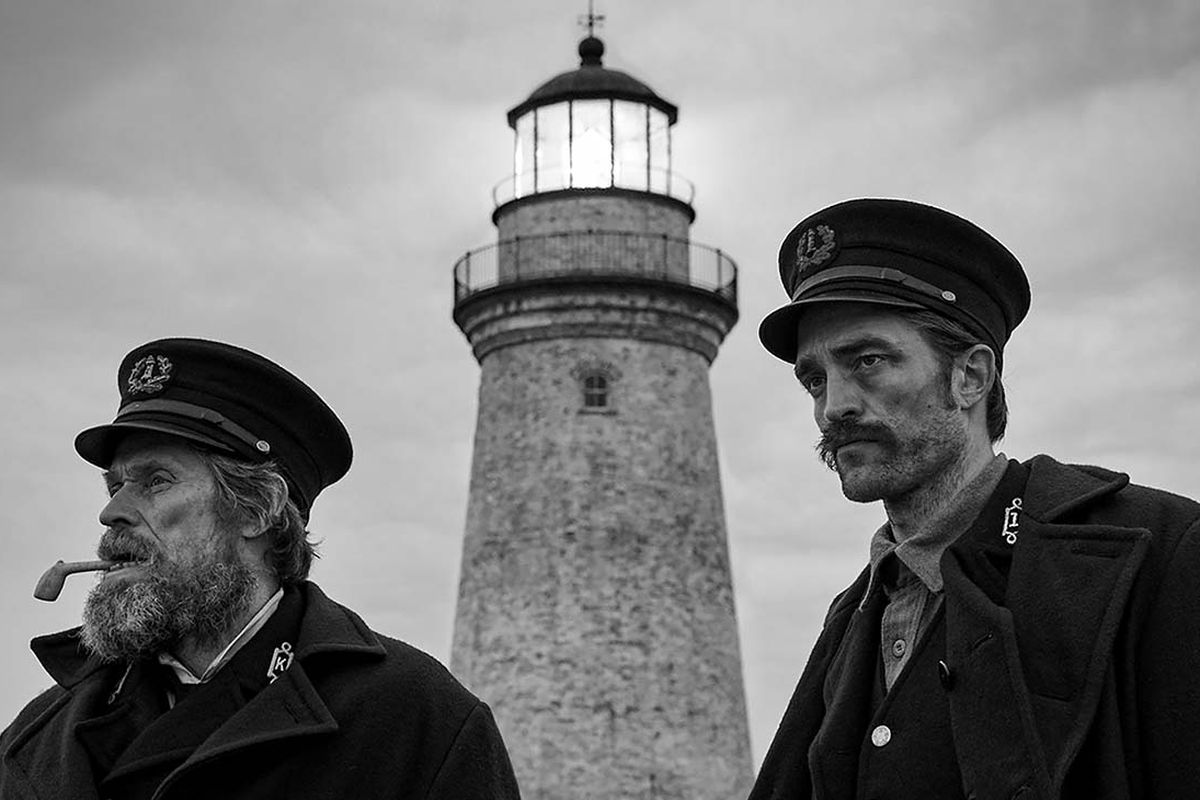
I saw The Lighthouse at the weekend and thought it was a suitably complex film to start my foray into the world of film reviews. Before I begin, I should point out that I’m typically an action/comedy movie goer, so The Lighthouse is pretty far from my usual movie experience. Nonetheless I tried to go into The Lighthouse with as open a mind as possible, though still somewhat expecting this was not my cup of tea. I’ll try and give a fair review but… well we’ll just have to see where my biases take me. I’ll also try and avoid major spoilers, though due to the nature of the film I’d say spoilers don’t really matter; The Lighthouse feels like it’s intended as an experience rather than a story.

Before I’d even entertained the idea of watching The Lighthouse, I’d been told at least twice that it was going to be worth viewing. Not by reviews but by friends and family, which confused me greatly as the reviews hadn’t even come out yet, so how did they know it was going to be any good? It was probably the excitement around the artistic style and the talent attached to the film – but as anyone who’s ever pre-ordered an EA game will tell you: “don’t believe the hype”.

The most positive thing about the film is that those stipulations were spot on, The Lighthouse is shot in an interesting way making a lot of the scenes very compelling. The entire film is done in a square aspect ratio, in black and white, and the way each scene is framed is very much part of the experience. The square aspect ratio already makes the screen feel cramped and when half that screen is shrouded in darkness it really enhances the feeling of claustrophobia, which I’m told was the intent behind much of those decisions.

Watching The Lighthouse is very enjoyable, the cinematography and how each scene is shot is interesting, the absence of colours focuses you on the depth and textures within the scenes, the small aspect ratio and use of dark spaces lets the film draw your eyes to exactly where it wants them; the visual experience is well thought through and The Lighthouse absolutely shows that.

The sound within the film is used to great effect, often using jarring sounds to make the audience appreciate the discomfort of the characters and serving as perhaps the only tangible link between the audience and characters (at least for anyone who hasn’t been a lighthouse keeper). Sound queues are something you continuously notice throughout the film, and whilst they sometimes remind you that you are in fact just watching a film, they clearly serve a purpose and aid the concepts the film is based around. The sound design is probably the most compelling reason to see The Lighthouse in a cinema rather than at home.

Robert Pattinson and Willem Dafoe are very strong leads for The Lighthouse and both are very believable characters (though I don’t know anything about lighthouse keeping) but I still had a couple of small gripes. Pattinson has a somewhat meandering accent; I had assumed he was British at the start of the film since I hadn’t noticed any particular accent (and since I’m British I assume no accent = British accent) but by the end of the film he had a vague American / Canadian accent (I think Dafoe’s character accuses him of being Canadian), which left me wondering if I just didn’t spot it earlier or if half way through the film there was a decision to give the character an accent. Perhaps this is intentional due to the theme of madness, but if that’s the case this film is far too subtle and clever for me. Dafoe shows a masterclass in character acting, so much so that I couldn’t understand half his lines; again, maybe that’s the intention, and if so, I would accuse the film of being pretentious if I wasn’t so basic in my typical film choices. These are my only significant gripes, overall the acting is well done and varied, maintaining my interest in a film which otherwise gave me most of what I wanted from it within the first 20 minutes.

In contrast to the cinematography, paying attention to the content of the film is rather difficult at times; the plot isn’t particularly difficult to follow (though there are a couple of unspecified time skips) but the premise of the film makes a lot of decisions the characters make almost meaningless. The main themes of the film are isolation, claustrophobia, and associated madness, these are clearly well demonstrated but by choosing to explore the madness route it detracts from a lot of decisions the characters make. The plot is not really the point of the film, but as someone who loves plot the fact a lot of the stakes within the plot ultimately didn’t matter made it difficult for me to focus, particularly on the last third of the film.

The Lighthouse essentially makes most of the significant character decisions irrelevant by questioning whether some, any, or all of those decisions even happened. This really took me out of the film, as whilst I was processing which actions were real and which were fabricated, we’re suddenly presented with the reality of the plot: that, actually, it doesn’t matter if none of this is real. For me this removes any decision making from the characters, unceremoniously obliterates the fourth wall, and leaves me realising this isn’t what I watch films for. The Lighthouse asks some major philosophical questions by throwing the entire plot into question, and as someone who watches films to escape from the world, this simply isn’t for me.

The Lighthouse feels like a piece of art I enjoy looking at and can appreciate the hard work and decision making behind it, but I don’t care about the context of the art or why it was created. I enjoy looking at Van Gogh’s Starry Night but I couldn’t care less which town it depicts. I would recommend this film to someone who wants to give an “artsy” film a try to see if it’s for them, but I wouldn’t recommend it to anyone who (like me) is mostly in it for the plot.

  • Cinematography – 9/10
  • Plot – 2/10
  • Acting – 7/10
  • Script – 7/10
  • Enjoyment* – 4/10

OVERALL – 5.8/10

*Enjoyment is a personal measure of how much I enjoyed the film, more of a “gut feeling” than the empirical approach I try to take with the other ratings.

The Witcher 3: Wild Hunt

Where do I begin with this game… First off I should say that this might come across as a somewhat biased review, because this might possibly be my favourite game of all time. It’s certainly up there, I haven’t sat down and made a list, but this definitely makes the shortlist and, at worst, is a strong contender for the top spot.

                So, what makes this game so special? Well… you only have to look at just about any internet gaming site to see how highly regarded this game is, even the jokes about glitches are made in a light manner. This game has propelled the other games and book series into popularity, and even Netflix has created a series based on the games success, despite what they’ll probably tell you. Hell, at the time of writing The Witcher 3: Wild Hunt is the 14th most played game on Steam right now. For a single player game which came out in 2015, that’s insane! You’re out of the top 20 before you come across another purely single player game.

                But enough stats, what is this game about? Well, in The Witcher series you play as Geralt of Rivia, a white-haired cocky mutated human, and the only thing he loves more than slaying monsters is slaying pu-… ladies in the bedroom. The game is an open world RPG, which has Mass Effect style decisions matter in a way that actually impacts the story; unlike other attempts at it which merely change a few lines of dialogue. The story revolves around your search for a girl named Ciri and develops into this far-reaching quest going further and doing more than Geralt ever wants it to.

Note: I am being careful to only have direct spoilers from the very beginning of the game and keep any potential later spoilers very vague.

                I don’t want to tell you too much about the game directly because if you enjoy RPGs and story driven games, this is an absolute must play. I had recently finished Skyrim when a friend gifted The Witcher 3 to me, and it took me a while to start playing it because I was worried I wouldn’t be able to relate to Geralt. Having played Skyrim and created my own character narrative, I was worried I would be limited by having to play as a pre-set character; what I wasn’t prepared for was the incredible depth storylines and worldbuilding were able to go to because I was playing a set character. The problem with Skyrim (which is still a fantastic game) is you feel isolated and disconnected from the world because they have to make everything accessible to whatever character you’re bringing to the table; the game lacks a certain intimacy because to every NPC you are this faceless void called “Dragonborn” not “Lekko the Firemage” or whatever character you think you are. Having Geralt as a cornerstone of the story allows NPCs to have dynamic personalities because they already know who you are, it allows your decisions to matter based on who you side with because the game already knows where you fit in the world – and the game is only better for it. Also, Geralt is surprisingly relatable for someone ~4 times my age living in a medieval sh*thole.

                The core gameplay is exploration which swiftly (and usually seamlessly) moves into combat. I find enjoyment of exploration in games depends on how invested I am in the game, and how interesting the world is just to be in. The Witcher 3 offers events at fairly regular intervals (scripted, but only found through exploration) which adds merit to not constantly fast-travelling, (all important quest objectives will give you precise map markers) and you’ll often stumble across some of these events because you can only fast travel to certain points on the map. Some people will find that frustrating, but the world is immersive enough and fast-travel points frequent enough that I found this a pleasure rather than an obstacle. Slow travelling is also greatly aided by your horses ability to auto-follow paths once you’ve started down one – you just need to hold the Canter button. The combat has enough variety in options that it isn’t trivial; early combats will be challenging as you have limited Abilities, though once you’ve figured out what fighting style you want to use later combats become somewhat formulaic – though at that point I was invested enough in the game that I didn’t mind this – and there were still a few Quest fights which were challenging again and I couldn’t just “auto-pilot” the fight. It’s not going to win any awards for combat mechanics, but they feel right for the game and give you enough variety that they’re still exciting for most of the game.

                The story is the most fantastic thing about the game, the main quest is always interesting and exciting, always having you wonder where it will take you next whilst still feeling like you are the master of your own (or Geralt’s own) fate. The Secondary Quests are all well fleshed-out stories which have the same level of detail and intrigue as any of the Main Quests, they simply didn’t fit into the main storyline. If you do pick up this game, play it however you would like to, but I would thoroughly recommend completing all the Secondary Quests too, some of my favourite moments in the game are from Secondary Quests. Contracts are the final type of quest (ignoring Gwent quests), and these are more like your usual non-primary quest of “go here and kill/fetch that”, some of these are interesting, some are less so. I still enjoyed completing as many as I could of them and they do build on the lore of the world and various monsters, but they are somewhat repetitive and seem to be a themed way of giving the player a cash injection, so Contracts can be ignored if they don’t take your fancy.

                The world is beautifully crafted, even for a game released in 2015 I was still wowed by the graphics. I don’t put a lot of weight on graphics in reviewing a game (Graphics does not appear as a category in my ratings), so I’m sure those who care a lot about graphics will notice it is a 2015 game; but as someone who doesn’t mind all too much as long as my immersion is maintained, I was thoroughly immersed. Most of the world is a grim and gritty landscape of marshes and drab fields, but this just sets the tone for the game really effectively and makes the moments when you come across a beautifully crafted mountain or castle all the more spectacular.

                I would thoroughly recommend this game to anyone who is even considering playing it, the expansions are also thoroughly worthwhile, particularly Blood and Wine which gives you a much brighter part of the world to explore but still finds moments to keep you grounded in the dirt that is a Witchers life. Both the game and the expansion regularly go on sale now, but I have 140 hours total in the game (roughly 90-10-40 split between the main game and the 2 expansions) so I would say it is well worth the purchase even at full price.

                Also Gwent is an absolute banger of a mini-game and I won’t hear anything else about it.

  • Gameplay – 9/10
  • Mechanics – 8/10
  • Story – 10/10
  • Price – 10/10
  • Enjoyment* – 10/10

OVERALL – 9.4/10

*Enjoyment is a personal measure of how much I enjoyed the game, more of a “gut feeling” than the empirical approach I try to take with the other ratings.

Vermintide II

As most of you will be aware, even if you aren’t Chinese, it’s the Chinese Zodiac Year of the Rat this year. Whilst for most people this won’t impact their lives too much, for (un)fortunate companies who (for some reason) chose the humble rat as their mascot, this is their marketing team’s wet dream.

One of the few industries where rats are surprisingly common (albeit typically as enemies), is video gaming. Or so I realised one fine evening recently when I booted Steam and was immediately met with their special Year of the Rat Sale. After briefly checking my wishlist and concluding nothing important was on sale, I swiftly ignored the front page and booted DotA 2 as usual. That was until one of my friends pointed out Vermintide II was on sale for a tasty 75% off, an investment I was willing to make at the recommendation of a friend. And so our conquest of rat slaughtering began… after spending 2 evenings downloading the 60+GB game.

At the time of writing I am only 8 hours into the game, and a good 2 of those have been spent dossing around the Keep (or home base). Vermintide II is very much a Hack & Slash style of game, you have tactical options such as Block and Dodge, but I’m typically too busy throwing fireballs and panicking that “They’re behind us too!” to actually use those options. The core gameplay is fun, though somewhat repetitive; but the missions are kept short enough, and the equipment options just varied enough, that I expect we’ll complete the main story before we get tired of it.

The story of the game is… there, Vermintide is set in the Warhammer universe, and though I’ve only briefly dipped my toe into the exceptionally deep Warhammer lore waters, it always excites me. The game starts by showing you a giant Chaos portal which (for some reason) the Chaos have entrusted the rats (or Skaven) to build. Maybe I don’t know enough about Warhammer Lore and actually the Skaven are the greatest builders of their time, but based on the creaking halls and unstable walkways the game spends most of it’s time in, I’d say the Chaos have gone with a real “lowest bidder” approach here. Which I’d think is not the smartest decision if you’re constructing a giant (presumably demon summoning) portal, but then I’m not in charge of a Chaos/Skaven horde. After the tutorial the story becomes more of a background feature, which while not hard to find is something you need to be looking for and pay attention to; and while playing with friends the loading screens are often used as downtime to make jokes rather than being quiet for Storytime.

That said, I don’t believe not knowing the story has greatly impacted my enjoyment of the game; sometimes we’re killing people, sometimes we’re saving people, but always we’re killing hundreds upon hundreds of rats. The fun of the game comes from the interesting environments, the simple but well oiled combat, and the sheer satisfaction of blowing up a dozen Skaven at once with a well-aimed fireball. I’d guess my friends and I will get around another 8 hours out of the game before we move onto something else – the progression isn’t exciting enough to warrant levelling multiple characters, and the story not enough of a focus to play through multiple times. Though we did just discover the mystery that is Grimoires, which are hidden objectives which grant you bonus XP for finding, but are often quite difficult to find; so we may replay a few levels to hunt for those, but I don’t expect we’ll care to find them all.

For the sale price, this game has been well worth the purchase, but at full price I don’t think there’s quite enough content there (unless you’re seriously invested in Warhammer, or are a big completionist). Based on what my brother (who has completed the game) has told me, it sounds like there is about 10-20 hours of gameplay in the base game depending on where you fall on the Exploration vs Action scale. Perhaps the DLC adds quite a lot to the game, but until that goes on sale I can’t be certain.

  • Gameplay – 9/10
  • Mechanics – 8/10
  • Story – 3/10
  • Price – 4/10 (9/10 on sale)
  • Enjoyment* – 7/10

OVERALL – 6.2/10

*Enjoyment is a personal measure of how much I enjoyed the game, more of a “gut feeling” than the empirical approach I try to take with the other ratings.

Styx: Master of Shadows

Styx: Master of Shadows is the first game in the Styx franchise, and whilst it is now 5 years old I only completed it at the end of last year, it still holds up pretty well. Though it is prone to a few bugs, it seems to handle better than its sequel, Styx: Shards of Darkness (which I intent to review once I’ve stomached a few more hours of it).

Styx: Master of Shadows is a pure stealth game, you play as Styx the goblin, creeping around a somewhat mysterious sky city-come-monastery known as the Tower of Akenash. You start with a splitting headache not remembering a lot about… well anything, and slowly uncover/remember more about the world and your plan as you go. It’s a pure stealth game in that, whilst there are combat mechanics, if you get in a fight you’re probably screwed. The game makes good use of lighting, sight lines, basic AI, and just a couple of magic powers to make a very in-depth stealth system built on only a few core mechanics.

The game does a really good job of steadily increasing the stakes so that even though the mechanics don’t change the difficulty of the missions still increases, usually by adding a new type of enemy or making your objectives a little more involved. Even when the game repeats the same map location it still feels fresh and interesting as it forces you to explore new parts of it or use a different approach in your problem solving. This is aided by the complexity of the maps, most of the maps (and all of the ones which are revisited several times) have multiple layers and routes through them, usually a few hidden sections, and a variety of objects to interact with; yet this never feels overwhelming as your objectives are always straightforward, it’s just a question of how you achieve them.

The story is surprisingly well crafted for how simple it first appears, and whilst a few of the twists are somewhat predictable I do appreciate when writers don’t make twists unexpected for the sake of being unexpected. Even by the end of the story you still feel it’s just the tip of the iceberg of a fascinating world, and whilst you have achieved one type of closure there’s still a lot of intrigue around the world they have built.

The humour within the game hit a sweet spot for me; whilst not a comedy game, the small jabs Styx would make at different characters, or more importantly the brief “throwaway” lines the patrolling NPCs would exchange made the world feel alive, even if they were repetitive. It gave the vibe of people doing their best to cope with a mundane situation without shoving it in your face. Special shoutout to the bloke repeating “S**t lads… has anyone seen my ladder?” in a vaguely Yorkshire accent whilst staring down a bottomless pit.

My only significant gripe is that when you unlock abilities by completing missions, you can only unlock all of them by 100%ing the game. This includes the 4 accolades you get by completing each mission 1) without killing anyone, 2) without being seen by anyone, 3) under a certain time limit, and 4) collecting all 10 hidden tokens on each stage. Bear in mind each mission is comprised of 3 or 4 stages and you have to comply with these accolades for all stages of a mission to collect it for that mission. This means you typically have to play each mission 2 or 3 times to collect all 4 accolades, which does ruin my immersion a bit personally. Thankfully you don’t need all the abilities to complete the game, technically you don’t need any, but you do miss out on a sense of progression and improvement without them.

The other complaints I would expect to hear would be the slightly weak graphics and repetitive, and sometimes downright stupid, actions of the NPCs. In terms of graphics I can see it leaves a lot to be desired, but I never misunderstood anything due to the quality of the graphics (though I was playing on the highest settings) and unless a game’s graphics are at one extreme of the scale or the other, I rarely feel strongly about the visual presentation of the game. Sometimes it’s a style choice, sometimes it’s a resource choice (processing power or man hours) it doesn’t really matter to me as long as it’s consistent and fits with the game world. As for stupid NPCs, I think the AI here is actually quite good, unlike the Skyrim guard who will exclaim “it must’ve been the wind” a few seconds after they discovered a new arrow in their head, the Styx guards will draw their swords, entering “high alert” mode (where they will spot you more quickly) and tell other guards they come across they have seen “a weird creature” which causes them to also enter high alert mode. Whilst they don’t change their patrol routes they do check hiding spots on their routes, making them harder to deal with without making your mission too much harder. Though I do find it funny when they fail to notice that their mate they see every 30 seconds on their patrol suddenly stops turning up, though that’s a level of AI I haven’t seen in any game yet, and presumably for good reason.

I have just over 40 hours logged in Styx: Master of Shadows, though I have attempted a couple of speed runs (see the ‘complete the mission within the time limit’ accolade), so typical runtime to complete the story is probably 30-40 hours. Full price the game is £25, though since it’s 5 years old it frequently goes on sale for much less than this. If I had bought it at full price I probably would’ve been slightly miffed, but that’s because I rarely buy anything at full price any more – in hindsight I would say £25 is not unfair for a game of this quality.

Overall, Styx: Master of Shadows is a fantastic stealth game which does a great job of giving you enough options and control that no two playthroughs are identical, adding just enough to each mission that the basic mechanics it is founded on successfully carry the game throughout. I would recommend this game to anyone looking for a stealth game where patience is rewarded as much as ingenuity.

  • Gameplay – 9/10
  • Mechanics – 10/10
  • Story – 9/10
  • Price – 8/10
  • Enjoyment* – 9/10

OVERALL – 9.0/10

*Enjoyment is a personal measure of how much I enjoyed the game, more of a “gut feeling” than the empirical approach I try to take with the other ratings.

Gunpoint

Gunpoint is best described as a point and click puzzle game, at least that’s how I played it. You take on the role of a freelance detective investigating the murder of someone you may or may not know, but are heavily implicated in the murder of. I was drawn to this game through its trailer marketing it as an action/puzzle/shooter in which you could approach each level in a multitude of ways, combining a few basic mechanics to make involved and interesting gameplay decisions. That and the Suspicious Games bundle was on sale on Steam for cheaper than I was going to buy Heat Signature by itself.

Having completed the story, I don’t feel there are as many options as the trailer would have you believe; each mission seems to give you the option of going in “all guns blazing” or taking a stealth approach to it, but once you’ve made that decision the solution to each mission seems to be fairly linear. That said, I opted for a stealth approach in my playthrough and I am tempted to give it another go taking a louder approach this time (and picking up those last few achievements on route). I’ve only clocked 5 hours of gameplay according to Steam, which is both a boon and a detriment to the game – on the one hand, any longer and I feel the mechanics could have become stale, essentially working through the same few puzzles built in slightly different ways; but on the other hand, full price Gunpoint is £6, which falls short of a personal “£1/hour” rule I have. Though I must caveat that as I got it in a sale I’m well within that rule, and if I do go for a second run-through I’ll be below that anyway.

As it is, I felt the game was a suitable length, the story was interesting but didn’t overcomplicate or try to overreach itself, and the game as a whole has left me satisfied and considering whether I want a helping of seconds or if I should just be content that I’m no longer hungry but also not stuffed.

My biggest gripe with the game would be that whilst enjoying a methodical approach to the puzzles, I was still occasionally thrown into a quick-time-event style moment to avoid certain guards. Most of the time this was just a case of timing my runs with the patrol routes, but on the occasion they had a short patrol right where the objective was (making them unavoidable) and the options were either knock out the guard (something I was trying to avoid) or very quickly grab the objective and hope my jump for cover was out of the sight line of the guard. Still, these moments were infrequent enough that it didn’t really spoil my enjoyment of the game; the games autosave and quick load features (questions about immersion aside) were very useful in making these moments not feel too punishing for my choice in play style.

My only other significant gripe was when it came to some dialogue decisions. As has become popular semi-recently, the “your decisions matter” comes into effect in Gunpoint during conversations before or after most missions. Whilst most of these are a stylistic choice of how you want to play the character, a few of these do impact the story (it’s pretty obvious when they do) and – without going into spoilers – some of these decisions could have consequences for you. My gripe here is that, since I played it over several sittings, I couldn’t remember how I had completed certain missions (most significantly, and this is only a minor spoiler, whether I had been seen on camera during certain previous missions), meaning I had to look up other gameplay videos of the missions and work out what I had done. This was probably overkill and didn’t actually impact the story, but in a game that wants to be taken seriously I felt like I needed to be as true as I could to how I was playing the character.

Overall, Gunpoint is a fun, quick, and clever game which hits a nice point of being very satisfying without requiring a heavy time investment, and whilst there are a few places it could be improved (the “upgrade” system for example) there’s little I would change about the gameplay. You can think as little, or as much, as you would like with it and still have a good time. I would recommend this game to anyone looking for a game to fill a gap, it’s not a long-term investment, but it ticks pretty much all the short-term boxes.

  • Gameplay – 8/10
  • Mechanics – 9/10
  • Story – 8/10
  • Price – 5/10
  • Enjoyment* – 8/10

OVERALL – 7.6/10

*Enjoyment is a personal measure of how much I enjoyed the game, more of a “gut feeling” than the empirical approach I try to take with the other ratings.

Humble beginnings

Most recently I’ve started foraying into game reviews, as such I’m going to post a few of these, mostly to make sure I have some content here. These are still in their first-draft phase, so if you do read them maybe take them with a pinch of salt and use them to get a feel for my writing style and the sort of ideas you can expect to come across on this blog.

I also want to take this opportunity to point out this is a side-project sparked by the idea that I should probably have a portfolio of some sort if I wanted to turn my creative writing hobby into anything more. As such this could easily fall by the wayside and not be updated for long periods of time (possibly indefinitely), especially if I land a full-time job in the future.

Anyway, I’ve got 4 first draft / first attempt video game reviews coming out, which I’ll probably stagger over the next 4 days to give myself a feeling of professionalism (and to feel like I’ve got time to create more content – if I decide I do want to make this blog part of my regular schedule). See you soon!

Design a site like this with WordPress.com
Get started